Unlocking Effective Solutions for Pneumothorax Cure: A Complete Guide to Modern Treatments and Leading Medical Care
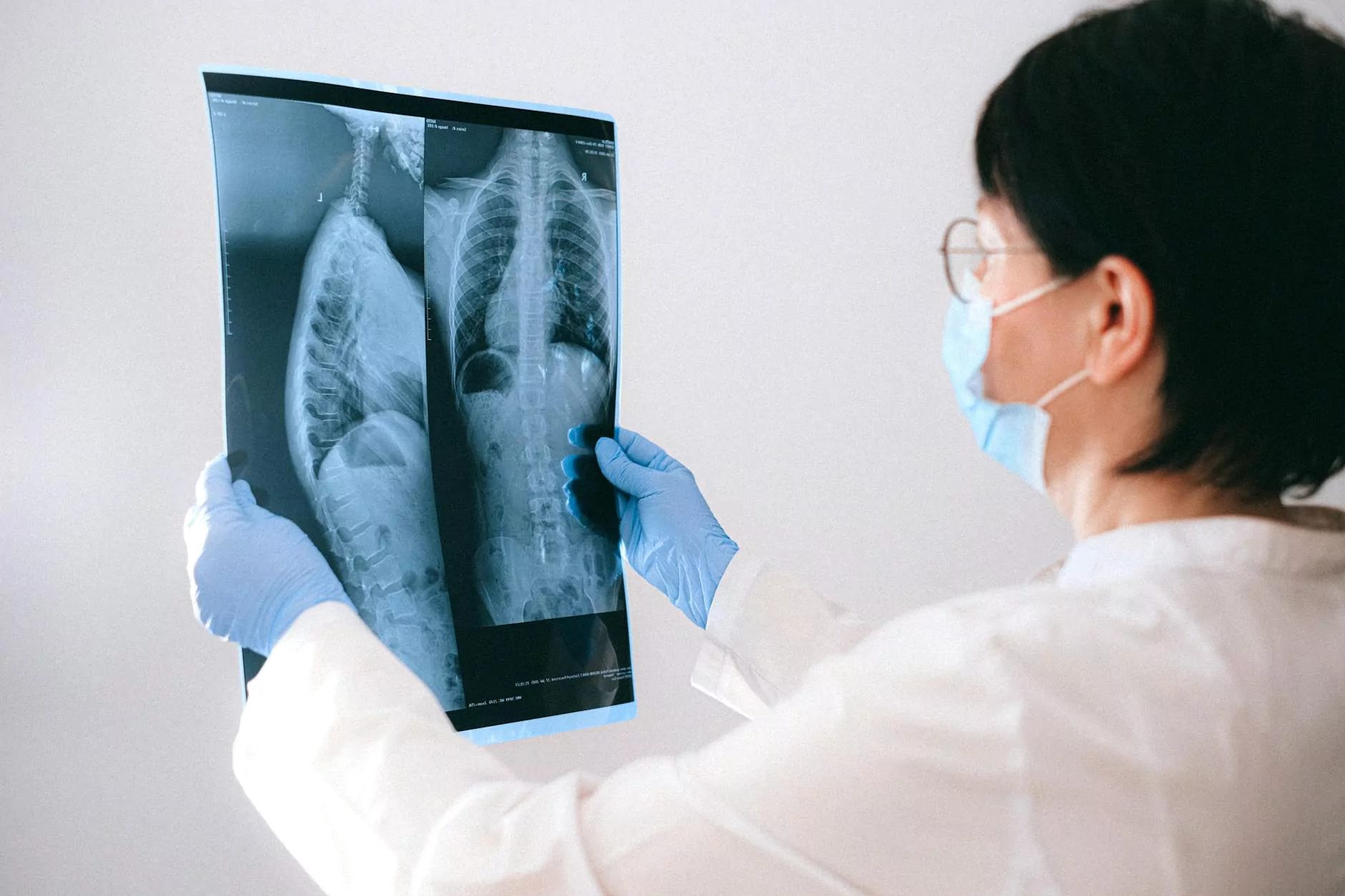
When it comes to respiratory health, few conditions invoke as much concern as pneumothorax. Often referred to as a collapsed lung, this condition requires prompt and expert intervention to prevent serious complications and ensure a successful pneumothorax cure. With the rapid advancements in thoracic medicine and a focus on minimally invasive procedures, patients now have access to highly effective treatment options tailored to their specific needs.
Understanding Pneumothorax: Causes, Symptoms, and Risk Factors
A pneumothorax occurs when air leaks into the space between the lung and the chest wall, causing the lung to collapse partially or entirely. This condition can develop suddenly or gradually, depending on its cause. Recognizing the causes, symptoms, and risk factors is crucial in initiating timely treatment and achieving optimal pneumothorax cure.
Primary and Secondary Pneumothorax
- Primary pneumothorax: Typically affects healthy individuals, often young adults, with no apparent lung disease. It is usually caused by the rupture of small air-filled sacs called blebs.
- Secondary pneumothorax: Develops in individuals with existing lung conditions such as COPD, asthma, cystic fibrosis, or lung infections. These underlying conditions make the lungs more susceptible to collapse.
Common Causes of Pneumothorax
- Spontaneous rupture of blebs or bullae
- Medical procedures involving the lungs or chest (biopsies, ventilator use)
- Underlying pulmonary diseases
- High-altitude exposure or sudden changes in atmospheric pressure
Symptoms Signaling a Pneumothorax
Patients with pneumothorax often experience sudden chest pain and shortness of breath. Additional symptoms may include:
- Rapid breathing
- Sharp chest pain that worsens with breathing
- Rapid heart rate
- Fatigue and dizziness
- In severe cases, cyanosis (bluish discoloration) of lips and fingertips
Advanced and Effective Pneumothorax Cure Options
The treatment strategies for pneumothorax depend on its size, cause, and the patient’s overall health. Modern medicine offers a spectrum of options designed to rapidly restore lung function, prevent recurrence, and minimize patient discomfort. Below are the most prevalent approaches to achieving a successful pneumothorax cure.
Conservative Management: Observation and Supplemental Oxygen
Small, uncomplicated pneumothoraxs may be managed conservatively. This approach involves close monitoring, supplemental oxygen therapy to accelerate the reabsorption of air, and patient education on warning signs for deterioration. While effective for select cases, this method is carefully selected by medical professionals to ensure safety and effective pneumothorax cure.
Needle Aspiration and Chest Tube Placement
For larger or symptomatic pneumothoraxs, minimally invasive procedures are employed to remove excess air and facilitate lung re-expansion:
Needle Aspiration
This procedure involves inserting a thin needle into the pleural space to withdraw air. It provides a quick and less invasive pneumothorax cure for certain patients, especially when the pneumothorax is moderate in size.
Chest Tube Thoracostomy
More extensive cases require the placement of a chest tube connected to a drainage system. This method continuously evacuates air, allowing the lung to re-inflate. It is a highly effective definitive treatment, especially for secondary pneumothorax or larger volumes of air accumulation.
Surgical Interventions: Titanium Staples and Thoracoscopy
When conservative measures are insufficient, surgical repair offers a definitive pneumothorax cure and minimizes recurrence risk. The main surgical techniques include:
- Video-assisted thoracoscopic surgery (VATS): A minimally invasive procedure involving small incisions and the use of a thoracoscope. Surgeons identify and remove blebs or bullae, secure air leaks, and sometimes perform pleurodesis to adhere the lung to the chest wall, reducing future collapses.
- Open thoracotomy: Reserved for complex or recurrent cases, providing direct access for extensive repair and management of underlying lung pathology.
Innovations in Pneumothorax Cure: Emerging Techniques and Technologies
Research and technological advancements continually evolve the landscape of pneumothorax treatment, making cures more effective, less invasive, and faster. Notable innovations include:
- Biological Sealants: Using fibrin glue or similar agents to close air leaks during surgery, enhancing healing and reducing recurrence.
- Autologous Blood Patches: Injecting the patient’s blood into the pleural space as a means to seal leaks non-surgically.
- Enhanced Imaging: High-resolution CT scans and real-time ultrasound guide precise interventions, reducing complications and improving outcomes.
- Robotic Surgery: Next-generation surgical systems offer higher precision and minimize patient trauma during thoracic procedures.
The Role of Leading Medical Centers in Achieving the Best Pneumothorax Cure
Achieving a successful pneumothorax cure requires access to expert care delivered by specialized medical teams and state-of-the-art facilities. Neumark Surgery exemplifies excellence in thoracic surgery, combining cutting-edge technology with personalized treatment plans tailored to each patient’s unique circumstances.
Why Choose Neumark Surgery for Your Pneumothorax Treatment?
- Expert thoracic surgeons with extensive experience in managing pneumothorax
- Utilization of minimally invasive techniques, including VATS and robotic surgery
- Comprehensive diagnostics with advanced imaging tools
- Preoperative and postoperative care focused on safety, comfort, and rapid recovery
- Research-driven approach ensuring the latest advances in treatment are available
Prevention Strategies and Follow-up Care for a Long-term Pneumothorax Cure
Prevention of recurrence is a critical component of achieving lasting pneumothorax cure. Patients are advised on lifestyle modifications, such as avoiding smoking and minimizing activities that increase lung pressure. Regular follow-up visits enable early detection of potential issues and management of underlying lung conditions.
Post-Treatment Monitoring
Follow-up imaging, pulmonary function tests, and clinical evaluations are essential in ensuring complete recovery and minimizing risk of recurrence. A multidisciplinary approach involving pulmonologists, thoracic surgeons, and primary care providers guarantees comprehensive care.
Empowering Patients through Education and Support
Knowledge is power when managing respiratory health. Patients should be educated on:
- Recognizing early symptoms of pneumothorax
- Disclosing symptoms during routine check-ups
- Adhering to treatment and follow-up plans
- Making lifestyle changes to promote lung health
Conclusion: Your Path to Effective Pneumothorax Cure
In summary, a successful pneumothorax cure depends on prompt diagnosis, personalized treatment strategies, and access to experienced medical professionals utilizing the latest technologies and minimally invasive procedures. Medical centers like Neumark Surgery stand at the forefront of thoracic care, dedicated to delivering outstanding results and sustainable health improvements for every patient.
Whether you face an isolated incident or recurrent pneumothorax, understanding your options empowers you to seek the best care possible. Advances in medicine continue to revolutionize treatment approaches, making a full and lasting pneumothorax cure accessible and achievable for many patients around the world.
pneumothorax cure