Comprehensive Guide to Hysterectomy Procedure Options for Women's Health
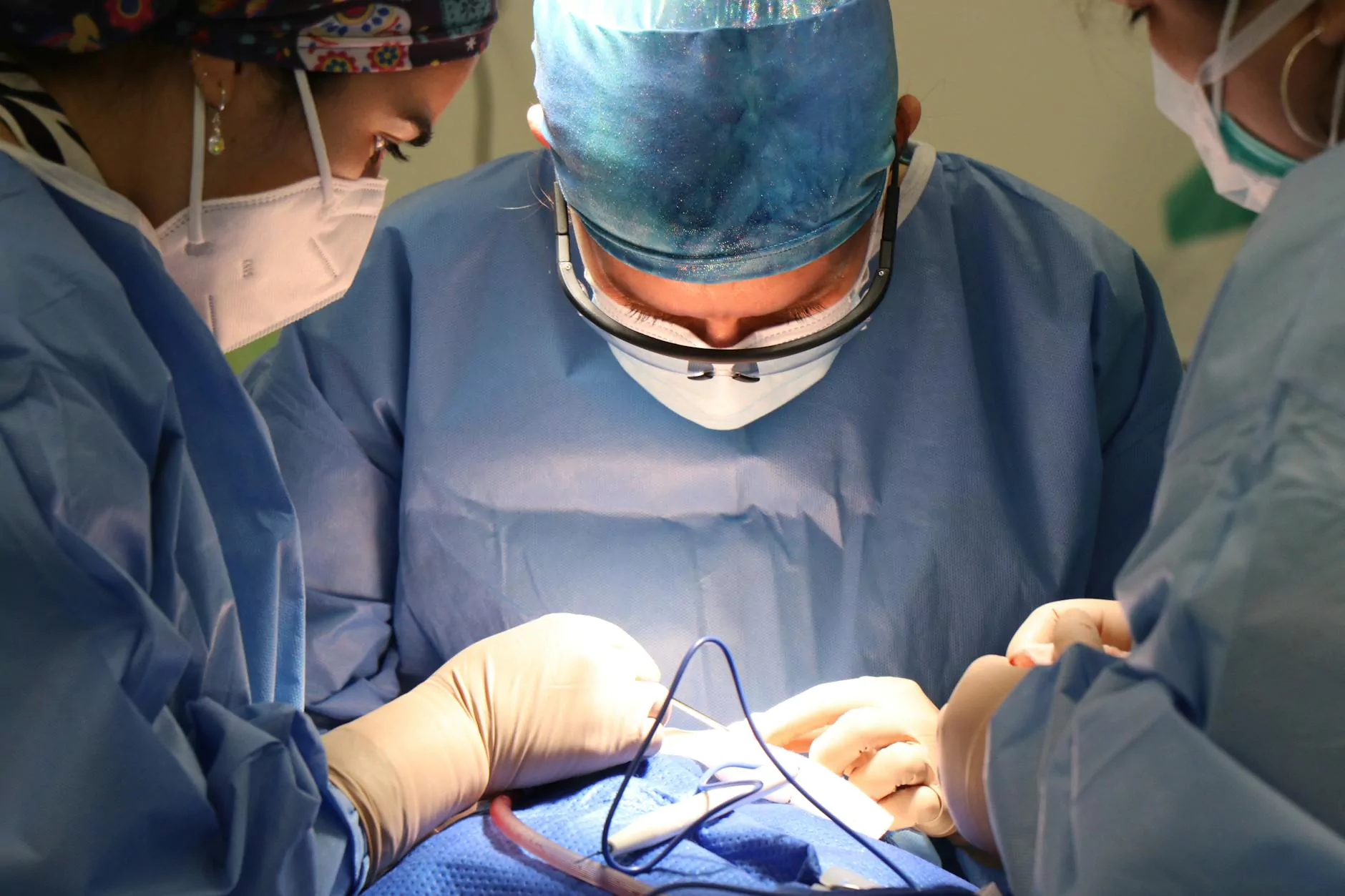
Women facing various gynecological conditions often consider different surgical treatments, with the hysterectomy procedure options being among the most common. At DrSeckin.com, we are dedicated to providing personalized, safe, and effective surgical solutions tailored to each patient's unique needs. This extensive guide will navigate you through the different hysterectomy options, their benefits, risks, and which might be suitable for your situation.
Understanding the Hysterectomy Procedure
A hysterectomy is a surgical operation that involves the removal of the uterus, and sometimes surrounding structures such as the ovaries and fallopian tubes. It is primarily performed to treat a range of gynecological issues, including heavy menstrual bleeding, uterine fibroids, endometriosis, pelvic pain, or cancer of the reproductive organs. This procedure can offer significant relief and improve quality of life when indicated.
Types of Hysterectomy Procedures
There are several hysterectomy procedure options, each suited for different conditions and patient preferences. The choice depends on factors such as the patient's health, the condition being treated, and the surgeon's expertise. The main types include:
- Partial (Subtotal or Supracervical) Hysterectomy: Removal of the upper part of the uterus, leaving the cervix intact.
- Total Hysterectomy: Removal of the entire uterus along with the cervix.
- Radical Hysterectomy: Usually performed for cancer, removing the uterus, cervix, upper vagina, and surrounding tissue.
Different Surgical Approaches to Hysterectomy
Beyond the type of tissue removed, the surgical approach plays a crucial role. Advances in technology have expanded the hysterectomy procedure options from traditional open surgery to minimally invasive techniques. The main approaches include:
1. Abdominal Hysterectomy
This involves a larger incision in the lower abdomen, providing excellent visibility for the surgeon. It is generally reserved for large uterus sizes, extensive disease, or when other procedures are contraindicated. Benefits include definitive removal and the ability to address complex conditions, but recovery time is longer.
2. Vaginal Hysterectomy
Performed through an incision in the vagina, this approach avoids external scars and typically results in quicker recovery and less postoperative pain. It is suitable for women with moderate uterine size and no extensive pelvic pathology.
3. Laparoscopic Hysterectomy
A minimally invasive technique utilizing small incisions and a camera. Laparoscopy allows precise removal with minimal blood loss, quick recovery, and less scarring. It is particularly favored for women seeking a faster return to daily activities.
4. Robotic-Assisted Hysterectomy
An advanced form of laparoscopic surgery where robotic systems enhance surgical precision. It offers excellent visualization and dexterity, especially beneficial for complex cases, large uteri, or prior abdominal surgeries.
Factors Influencing Choice of Hysterectomy Procedure Options
The optimal hysterectomy procedure options depend on several factors, including:
- Patient’s overall health: Medical conditions may favor minimally invasive techniques.
- Uterine size and shape: Larger uteri may require open approaches.
- Underlying condition: Cancer, fibroids, or endometriosis dictate the surgical plan.
- Patient preference: Recovery time, scarring concerns, and future reproductive plans.
Benefits and Risks of Hysterectomy Procedure Options
Every surgical approach inherits its own set of benefits and potential risks. Understanding these can help women make informed decisions alongside their healthcare providers.
Benefits of Minimally Invasive Approaches
- Less postoperative pain
- Shorter hospital stay
- Reduced scarring
- Faster recovery and return to normal activities
- Lower risk of wound infection
Potential Risks and Complications
- Bleeding and infection
- Injury to surrounding organs such as bladder or bowel
- Adverse anesthesia reactions
- Hormonal effects when ovaries are removed
- Psychological impact related to loss of reproductive organs
Preoperative Preparation for Your Hysterectomy
Proper preoperative evaluation ensures the safety and success of the procedure. Your healthcare provider might recommend:
- Comprehensive medical assessment including blood tests and imaging
- Discussion of anesthesia options
- Medications to prevent infection or manage anemia
- Fasting instructions prior to surgery
Recovery and Postoperative Care After a Hysterectomy
Recovery varies depending on the procedure type, but generally includes:
- Rest and avoiding strenuous activity for several weeks
- Managing discomfort with prescribed medications
- Follow-up appointments to monitor healing
- Gradual resumption of daily activities
It is crucial to adhere to your surgeon's postoperative guidelines to ensure optimal healing and prevent complications.
Choosing the Right Gynecological Specialist
Finding experienced obstetricians & gynecologists who specialize in minimally invasive and advanced surgical techniques can significantly impact outcomes. DrSeckin.com offers expert care with a focus on personalized treatment plans, utilizing the latest surgical technologies for the best possible results.
Why Trust DrSeckin.com for Your Hysterectomy Needs?
Our team at DrSeckin.com is committed to providing:
- Comprehensive diagnosis and treatment options
- State-of-the-art surgical techniques
- Individualized care plans tailored to each patient
- Postoperative support for quick, safe recovery
The Future of Women's Gynecological Surgery
Advancements in surgical methods and technology continue to evolve, making procedures like hysterectomy safer, more comfortable, and more effective. Innovation includes robotic surgeries, outpatient procedures, and personalized medicine, all aiming to enhance women’s health outcomes and quality of life.
Final Thoughts: Making an Informed Decision About Your Health
Understanding the various hysterectomy procedure options empowers women to make well-informed choices in consultation with their healthcare providers. Whether considering minimally invasive approaches or traditional surgery, your safety, comfort, and future well-being remain our top priorities at DrSeckin.com.
If you are experiencing symptoms that may require a hysterectomy or simply wish to learn more about your options, contact our expert team today for a thorough consultation. Your health and peace of mind are our commitment.