Understanding the Role of an Expert Thoracic Surgeon
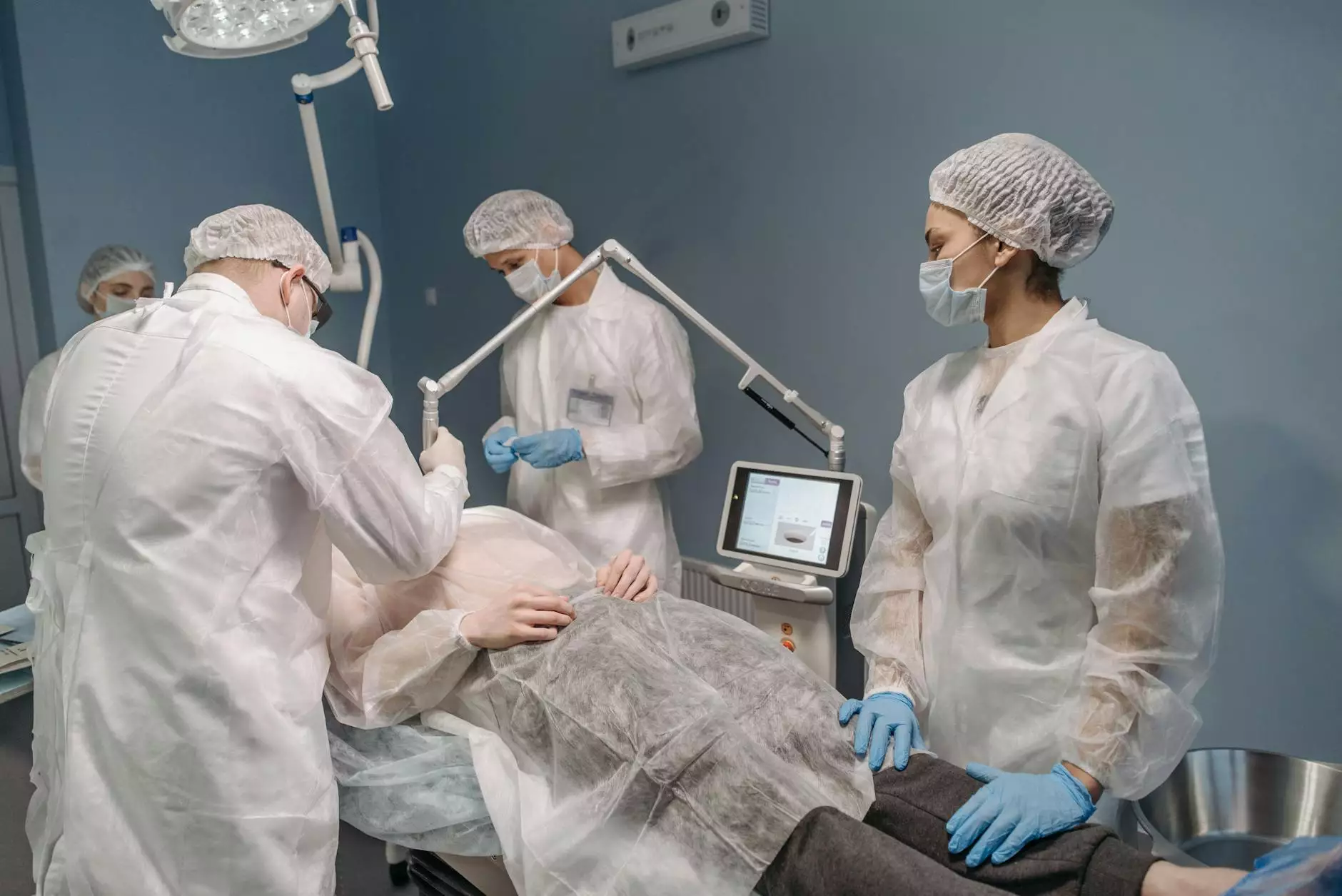
The field of thoracic surgery has dramatically evolved over the past few decades, driven by technological advances and a deeper understanding of the human body. An expert thoracic surgeon specializes in diseases of the chest, providing surgical care for conditions affecting the lungs, esophagus, mediastinum, and pleura. This article aims to unpack the complexities of thoracic surgery and the pivotal role that these experts play in modern medicine.
What is Thoracic Surgery?
Thoracic surgery encompasses surgical procedures performed on organs within the thorax, or chest, notably the heart and lungs. This surgical specialty is critical for treating various thoracic diseases, including:
- Lung Cancer: Surgical resection remains the primary curative approach.
- Esophageal Conditions: Procedures for esophagitis, GERD, or cancer.
- Cardiovascular Diseases: Some thoracic surgeons are involved in heart surgeries.
- Chest Trauma: Addressing injuries from accidents, such as rib fractures or lung punctures.
- Bronchial Issues: Managing obstructions or chronic infections.
What Makes an Expert Thoracic Surgeon?
Becoming an expert thoracic surgeon requires extensive education and training, typically involving:
- Medical School: A comprehensive 4-year program leading to a medical degree.
- General Surgery Residency: A minimum of 5 years to gain foundational surgical skills.
- Fellowship: An additional 1-3 years of specialized training in thoracic surgery.
- Board Certification: Achieving certification from a recognized body, indicating proficiency and commitment to the field.
Equipped with a profound understanding of anatomy, physiology, and pathology, expert thoracic surgeons utilize these skills to make critical decisions in the operating room, often under high-pressure conditions.
The Importance of Advanced Techniques
In recent years, thoracic surgery has seen significant breakthroughs thanks to advancements in surgical techniques and technologies, such as:
- Minimally Invasive Surgery: Utilizing small incisions and specialized instruments, which result in quicker recovery times and less postoperative pain.
- Robotic Surgery: Robotic-assisted procedures enhance precision and reduce the surgeon's physical strain, improving patient outcomes.
- Video-Assisted Thoracoscopic Surgery (VATS): A technique that allows thoracic surgeons to visualize the chest cavity through a camera, minimizing trauma to surrounding tissues.
Conditions Treated by Expert Thoracic Surgeons
The range of conditions that may require the intervention of an expert thoracic surgeon is broad:
1. Lung Cancer
Lung cancer represents one of the most common reasons for patients seeking an expert thoracic surgeon. Surgical options include lobectomy, pneumonectomy, and wedge resections, all aimed at removing cancerous tissue while preserving as much healthy lung as possible.
2. Esophageal Disorders
Conditions such as esophageal cancer, strictures, and Barrett's esophagus are often managed through surgical interventions. Procedures might involve esophagectomy or fundoplication, designed to improve swallowing and reduce gastroesophageal reflux disease (GERD) symptoms.
3. Mediastinal Tumors
Tumors located in the mediastinum can be benign or malignant and often require surgical excision. Expert thoracic surgeons are skilled in performing thoracotomies to access and remove these tumors effectively.
4. Pleural Diseases
Conditions like pleural effusion or pneumothorax may necessitate procedures such as thoracentesis or chest tube placement, providing symptomatic relief while addressing underlying issues.
5. Chest Wall Deformities
Deformities such as pectus excavatum or pectus carinatum may be surgically corrected by expert thoracic surgeons, improving both aesthetics and respiratory function.
Collaboration in Patient Care
Expert thoracic surgeons often work in multidisciplinary teams to ensure comprehensive patient care. This collaboration may involve:
- Oncologists: For cancer treatment planning and management.
- Radiologists: Utilizing imaging technology for accurate diagnosis and surgical planning.
- Pulmonologists: To address pre-existing respiratory conditions and optimize lung function before surgery.
- Nurses and Support Staff: Vital for postoperative care and patient education.
Such teamwork facilitates tailored treatment plans that cater to the unique needs of each patient, fostering better outcomes and enhancing patient experiences throughout their surgical journey.
The Patient Experience: What to Expect
When referred to an expert thoracic surgeon, patients can expect a thorough evaluation that typically includes:
- Initial Consultation: A detailed medical history and physical examination.
- Diagnostic Tests: Imaging studies like CT scans, MRIs, or PET scans to assess the specific condition.
- Discussion of Treatment Options: A collaborative decision-making process to define the most effective surgical approach or alternative treatments.
- Preoperative Preparation: Instructions to optimize health, including smoking cessation and medication management.
After surgery, follow-up is crucial for monitoring recovery, managing pain, and preventing complications, ensuring a smooth transition back to daily life.
Conclusion: The Future of Thoracic Surgery
As the medical community continues to push the boundaries of research and technology, the future of thoracic surgery looks promising. Expert thoracic surgeons are not only on the front lines of treating complex conditions but are also pivotal in educating future surgeons, conducting groundbreaking research, and advocating for improved patient care standards.
With continuous advancements in surgical techniques, the potential for better patient outcomes remains at the forefront of thoracic surgery, making it an exciting and transformative field within medicine.
For those seeking care from expert thoracic surgeons, institutions like Neumark Surgery provide comprehensive surgical services tailored to the unique needs of each patient, ensuring that the best outcomes are achieved.