The Impact of **Going to Black Church** on Community and Spirituality
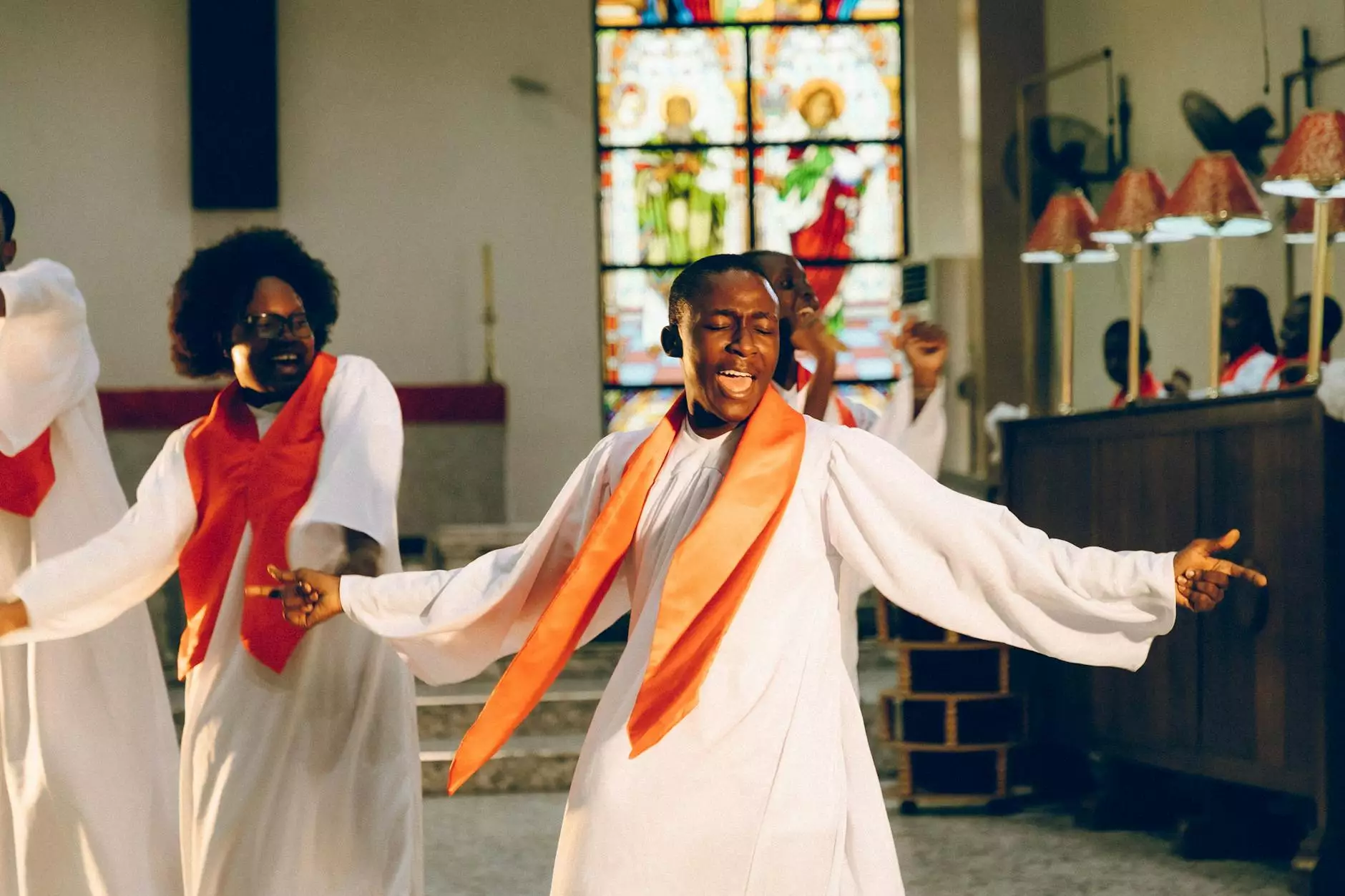
The experience of going to black church transcends mere attendance; it is a powerful expression of faith, culture, and community. Many individuals who participate in these services often report profound spiritual experiences and a sense of belonging that goes beyond that found in more mainstream religious venues. In this article, we will dive deep into the many dimensions of this vital institution, particularly within African American communities, and examine how it shapes identities, fosters community, and serves as a source of empowerment.
A Historical Perspective: The Role of Black Churches in American Society
The origins of the black church in America can be traced back to the era of slavery. Enslaved Africans were often denied the right to practice their faith; however, they forged a path to worship, which became a sanctuary for them amidst the harsh realities they faced. The black church developed into a space where spiritual resilience could thrive, becoming a cornerstone of African American culture. This historical significance remains evident today.
Spiritual Resilience and Empowerment
Going to black church has historically been a source of strength for African American communities. The messages of hope, resilience, and divine protection resonate deeply with many churchgoers, serving as a reminder of the struggles their ancestors faced and overcame. This thread of resilience can be seen in:
- Preaching and Worship: The vibrant sermons and communal rites reflect a rich oral tradition that empowers individuals both spiritually and socially.
- Community Engagement: Churches often participate in activism and social justice efforts, empowering their members to be agents of change.
- Celebration of Heritage: Events and rituals celebrate African American history and culture, reinforcing community ties.
The Contemporary Church: A Pillar of Community Support
In modern society, the importance of going to black church extends beyond worship; it acts as a critical support system for community members.
Community Programs and Services
Many black churches take on the role of non-profit organizations, offering vital services that cater to their communities. These may include:
- Food Programs: Initiatives like food pantries provide essential nutrition for low-income families.
- Educational Resources: Some churches offer tutoring programs and scholarship opportunities for underprivileged youth.
- Mental Health Services: Mental wellness programs can help address the unique challenges faced by community members.
Social Networks and Friendship
The act of going to black church fosters strong social connections. Many find lifelong friendships and support networks within their congregations. These relationships form a safety net that is crucial, particularly in times of personal or communal crisis. Church events, from potlucks to choir rehearsals, encourage fellowship and integrate various generations and backgrounds.
The Vibrancy of Worship: A Unique Cultural Expression
When discussing the significance of going to black church, one cannot overlook the vibrant worship style that distinguishes these services from other denominations. The unique elements include:
Musical Influence
Music is a central part of worship in black churches. The jubilant noise of gospel music lifts spirits and encourages participation. From traditional hymns to contemporary gospel, the following are key components:
- Choirs: Engaging choirs provide an atmosphere of joy and celebration, often encouraging congregation participation.
- Spirituals: The tradition of spirituals hails from the past, intertwining history and sacredness in every note.
- Live Instrumentation: Musicians, ranging from pianists to drummers, elevate the worship experience, creating emotional connections.
Preaching Style
Preaching in black churches often incorporates storytelling and impassioned speech that captivates the audience. The dynamic delivery and emotional engagement of preachers drive home messages of hope and inspiration, focusing on:
- Personal Testimonies: Sharing individual experiences reinforces theological principles and community bonds.
- Interactive Sermons: Congregation participation makes the service feel more like a communal dialogue rather than a monologue.
Impact on Individual Lives
Attending black church services can have profound personal benefits for individuals. The spiritual, emotional, and even physical health aspects foster a holistic approach to well-being:
Spiritual Growth
Participating in church can lead to significant spiritual growth. Many individuals find a deeper connection to God through fellowship, prayer, and engagement with their community. This growth can manifest in various ways:
- Greater Purpose: Attendees often speak of finding a higher purpose and direction through their faith.
- Enhanced Coping Skills: Spiritual practices can improve an individual's ability to cope with stress and adversity.
- Heightened Sense of Belonging: The community aspect provides support, reducing feelings of isolation.
Emotional Well-being
Regular attendance at a black church can significantly contribute to emotional wellness. The communal aspect alleviates loneliness and brings joy to the participants. Some benefits include:
- Improved Mental Health: Connection with a supportive community helps address mental health challenges.
- Increased Resilience: The church acts as a buffer against life's hardships, providing hope and encouragement.
Going to Black Church: A Journey Into Cultural Heritage
For many, going to black church is not only a spiritual outing but also an exploration of one’s cultural heritage. It fosters pride in one’s identity and a collective memory that links generations. The experience is enriched by traditions that celebrate this heritage:
Cultural Celebrations and Events
Church services often coincide with cultural celebrations that highlight African American history, such as:
- Black History Month: Special services and programs highlight achievements and contributions of black individuals throughout history.
- Juneteenth Celebrations: Recognizing the end of slavery in the United States, many churches hold events that focus on freedom and accomplishment.
Artistic Expression
Art within church settings is a vital aspect of cultural heritage. From visual arts to theater, these expressions narrate the community's journey and experiences. Church art can depict:
- Historical Figures: Many black churches display art featuring notable leaders who have shaped African American history.
- Contemporary Themes: Modern interpretations of faith that resonate with current social issues enrich the community dialogue.
How to Engage with the Black Church Community
For those interested in exploring the significance of going to black church, there are ways to engage respectfully and meaningfully:
Visiting Local Churches
Consider joining a service at a local black church. Many are open to visitors and eager to share their faith and practices. Here are some tips:
- Be Respectful: Learn about the church's customs and be mindful of worship practices.
- Participate: Engaging in communal activities or events can enrich your understanding.
Getting Involved in Community Service
Many black churches are at the forefront of community service initiatives. Volunteering for these programs is a great way to connect and contribute positively!
Conclusion
In conclusion, going to black church is a multifaceted experience that offers far more than just a religious service. It forms the backbone of African American cultural identity, fostering resilience, community support, emotional well-being, and spiritual growth. This vital institution is not just a place of worship but a sanctuary where individual and collective identities thrive. As we explore these churches and their offerings, we uncover a deeper understanding of faith, connection, and the relentless spirit of a community dedicated to uplifting and empowering each other.
Explore more about the vibrant church culture and community initiatives by visiting Bridge Church NYC. Here, you can engage with like-minded individuals committed to making a positive impact, both locally and beyond.